

PitchBook partner Michelle Wie West visited our Seattle office on International Women’s Day to talk about her journey as a woman and a minority in the white-male dominated worlds of investing and professional golf. She sat down with PitchBook’s Senior Director, Brand Kate Long and Senior Manager, Customer Marketing JoAnne Baldwin for a conversation spanning returning to work after becoming a mom, finding balance, speaking up, the importance of open conversations on mental health, her experiences as an angel investor and more. Here are a few of the highlights.
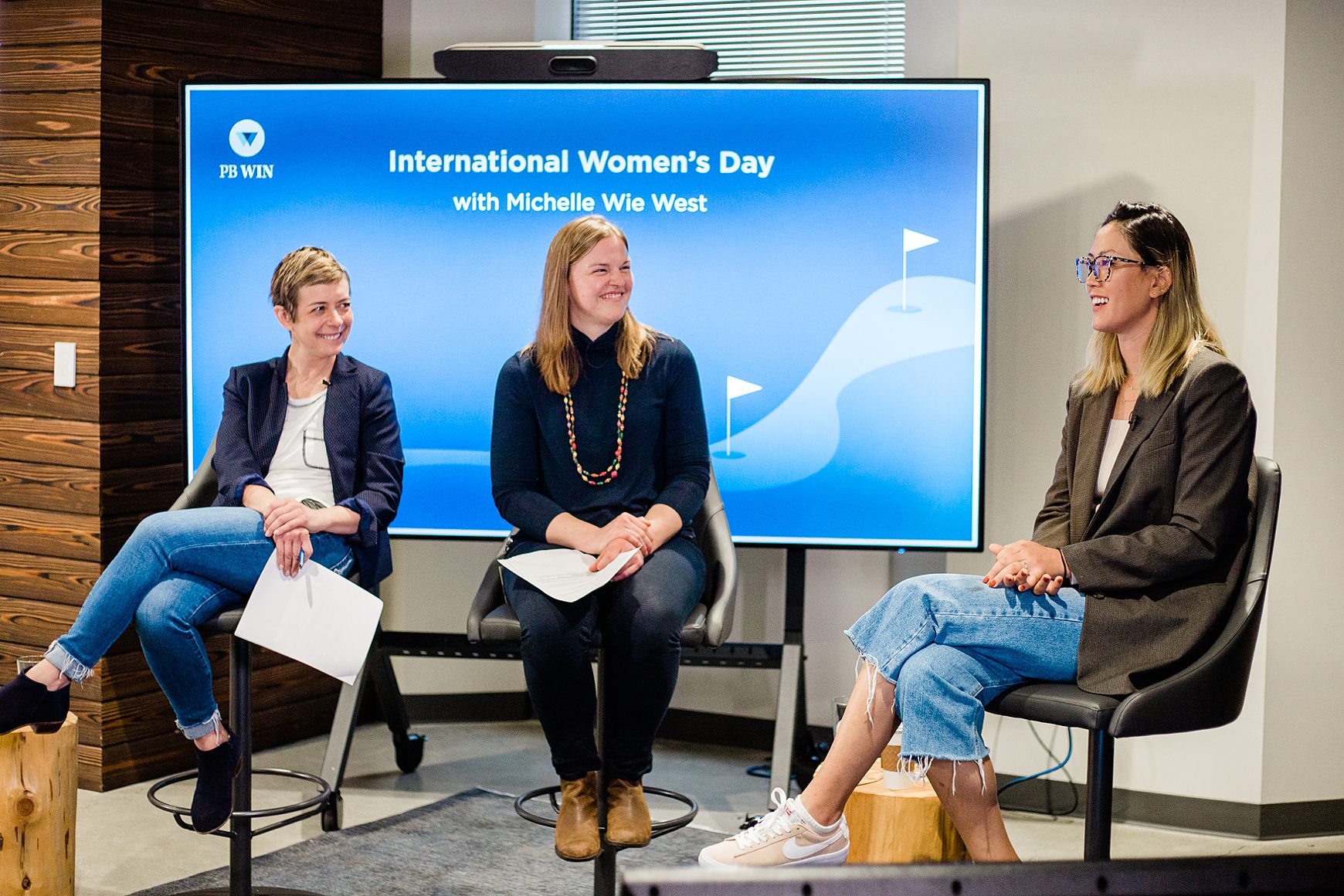
What was it like getting back on tour after having your daughter?
It’s a weird transition going from being a full-time athlete to being a professional athlete and mom. For one thing, my body had changed to serve a whole different purpose, and I appreciated it so much. It’s amazing what our bodies can do! But it was hard getting back to competitive shape. I also realized how self-centered I’d been. Where I was once all about me, now, it’s all about my daughter. Her needs come first.
I took my daughter with me on one of the first tournaments I played. She stayed in the hotel daycare and got sick. The daycare worker came out to the course to tell me. I’ve never felt more guilt! It was hard and definitely a low point in my journey back to working, but I made a learning opportunity of it and got resourceful about childcare. Since then, I’ve watched her cheer for me from the gallery and my heart soared.
To all parents transitioning into the dual role of parent and professional I’d say, know that there will be good days and guilt-ridden days. Give yourself time and grace.

“To all parents transitioning into the dual role of parent and professional I’d say, know that there will be good days and guilt-ridden days. Give yourself time and grace.”
What inspired you to speak out in response to crude and objectifying remarks made by Rudy Giuliani last year?
Growing up as a female in the Asian culture, we’re often taught to be meek and not make waves. So, throughout my career, with people calling me “babe” or getting handsy in pictures, I’ve always turned the other cheek. But I knew I couldn’t let this slide. People have to be held accountable for their actions and words if things are going to change for my daughter and other young women.
Speaking up was definitely out of my comfort zone. I was terrified writing the statement. I was terrified hitting send. But, at the end of the day, I felt relieved and empowered.
I’d encourage others in similar situations to stand in their power. Train their eye on the horizon. Think about how you’ll feel after speaking up. Think of who you’re standing up for and why. That mindset makes it easier to do the right thing. Once you stand up for yourself once, it really becomes self-perpetuating. Taking that first bold step breaks down the barrier.
Once you stand up for yourself once, it really becomes self-perpetuating. Taking that first bold step breaks down the barrier.”
We’re seeing more and more professional athletes having and supporting open dialogue on mental health, what do you think about that?
I applaud Simone Biles, Naomi Osaka and others who’ve taken bold steps to lead the conversation on mental health in professional sports. I wish it had been more of an open conversation when I was younger; I think I would have had a healthier experience, though I’m thankful for a close group of friends—who are not golfers—that I could always turn to.
As athletes, we’re expected to put on this iron-clad, tough front. Physical injury is widely accepted but not emotional or mental struggles. Being a pro athlete is unusual and hard because the highs and lows are extreme and experienced under a spotlight.
Athlete or not, being able to talk about your feelings and reach out for help is everything. This doesn’t make you weak or weird. It’s important to keep having these conversations to normalize and prioritize mental health.
You’ve been outspoken about the issue of unequal pay for women, tell us more about that in your profession.
Only 4% of sports coverage on key networks is women’s sports. And there’s significantly less time, money and manpower invested in coverage of women’s sports, specifically golf. For the PGA, there are several cameras on the course. The coverage is incredibly dynamic and makes it seem very fast paced. There are many fewer cameras assigned to cover LPGA tours, and so the coverage comes off looking like a slow-paced game when, in fact, it’s anything but. It’s an unfair battle. If things were equal, we would show up very differently. It’s hard to move the needle and get more viewers without more investment in the tournaments.
Conversations like this one—that bring awareness of the issue—and sponsors like PitchBook who value women will be key to leveling the pay playing field in sports and all paid professional positions.
“Conversations like this one–that bring awareness of the issue–and sponsors like PitchBook who value women will be key to leveling the pay playing field in sports and all paid professional positions.”
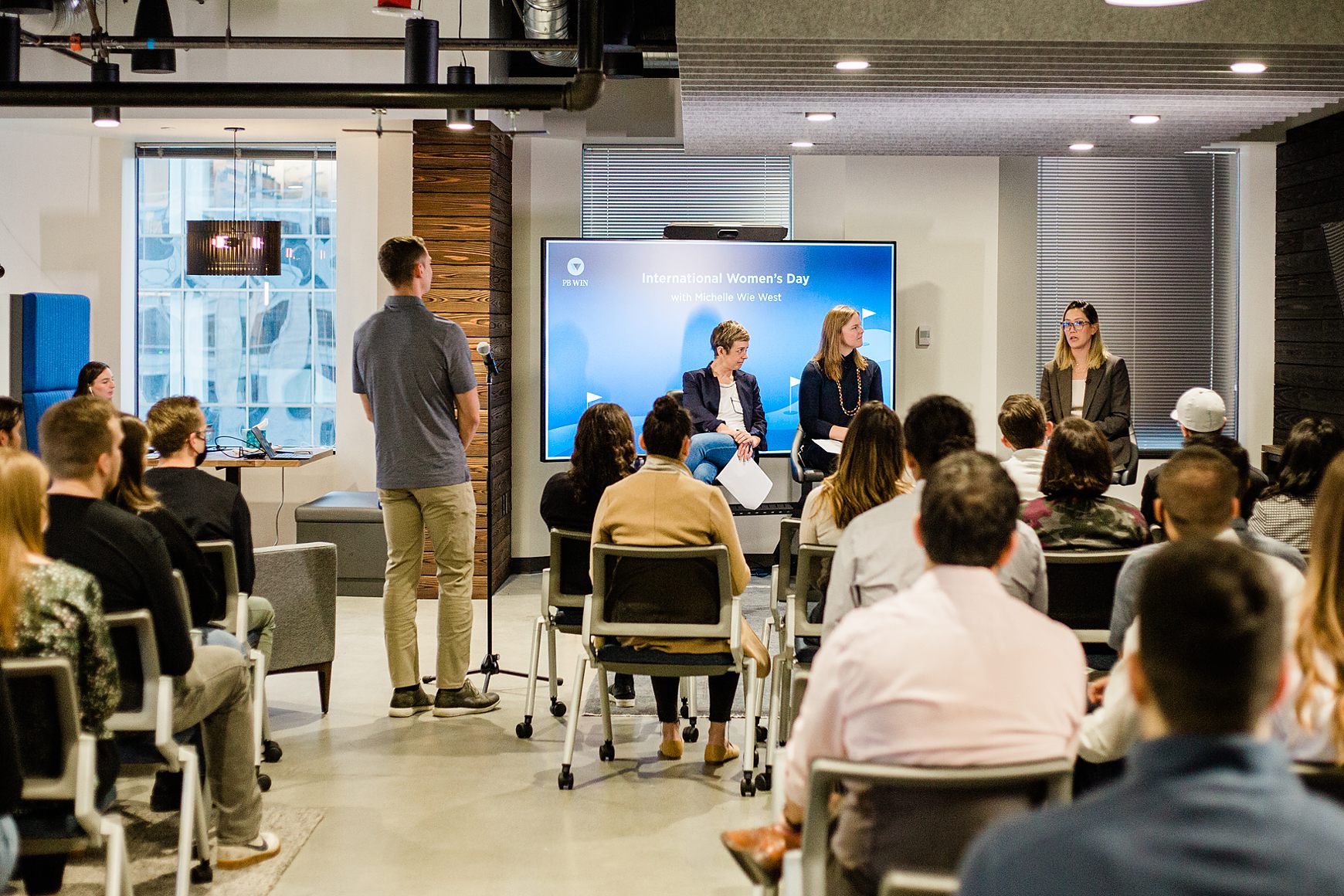
You’ve done a lot to support girls in golf and sports in general. What do you think is preventing more female participation in sports?
I did a paper on this in college. I think our society or culture deters girls from sports at a young age. It starts with toys. We give girls a type of toy and boys another type based on gender and start boxing them in at a very young age, limiting their options, telling them what they should be. That trajectory continues into adulthood. Just taking down those walls and keeping an open playing field from the start removes barriers and keeps the door open to every opportunity.
What inspired you to become an investor?
I went to Stanford with Snapchat founder Even Spiegel when Silicon Valley was booming. I always wanted to be part of a startup, but of course I was busy with golf. Being an angel investor allows me to use my resources to get on board for the ride and be the “fun aunt.” I’ve kind of thrown myself into the deep end and I’m learning as I go. The data from PitchBook has been super helpful. I come to meetings prepared with deep insights on the space, the founder, officers of the company, its competitors and their funding.
At the end of the day, I want to invest in companies with strong founders. I want to support hard-working women and minorities and be a part of their success. I’m glad to partner with a company that also values those groups and supports their success.
In closing, what advice would you give your 16-year-old self?
Wear your retainer! And don’t apologize all the time.
Also, go with your gut and don’t be afraid to bunk tradition. My staying in school and going to college full-time sort of flew in the face of “how it’s supposed to be” in professional sports. I’m glad I did it. I feel more well-rounded for it and I’m excited for the future as I grow my investment portfolio and family.
Michelle’s been winning from an early age. But today, as a mom, advocate and investor, winning means more. It means supporting causes and people she believes in, and making wise investment decisions for a prosperous and meaningful impact on the future.
At PitchBook, it’s our fundamental belief that people do and create great things and are the cornerstone of prosperity. Prosperity means greater well-being, personal and professional growth, excellence, self-actualization and agency.
We are thrilled to partner with Michelle and glad we got to have this meaningful conversation in celebration of International Women’s Day.