
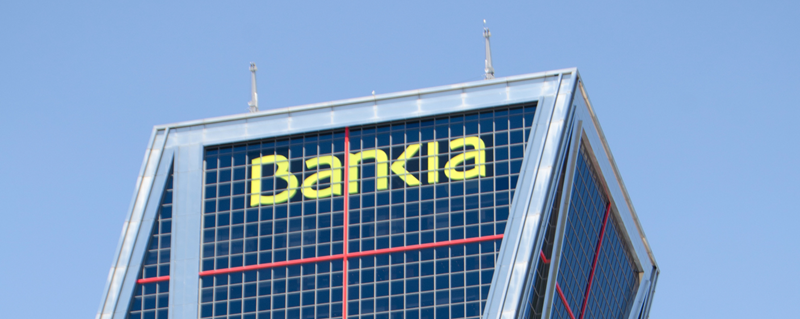
Spanish lender Bankia has agreed to take over its smaller peer BMN in a deal valuing the company at €825 million. Bankia will facilitate the deal by issuing 205.6 million new shares, representing 6.67% of the combined company’s holdings.
The announcement comes amid testing times for Europe’s banks. Earlier this month, Santander agreed to acquire Banco Popular for the nominal sum of €1 after the ECB deemed Banco was ‘failing and likely to fail’. And just this week, the Italian government bailed out Banca Popolare di Vicenza and Veneto Banca after the ECB issued a similar warning about them, with Intesa Sanpaolo winning a bid for some of their assets.
These deals as well may be a harbinger of a wave of consolidation across the sector this year. And signs are emerging that traditional lenders are going to continue to feel the strain, not least because of government caution of avoiding another financial crisis. This week, the Bank of England told banks to increase their capital reserves by £11.4 billion over the next 18 months.
In the meantime, startups and alternative lenders alike are busy building up rival credit and debt providers. Fintech companies Klarna and Adyen, for example, have both received European banking licences this year, while Atom Bank scored a £30 million credit facility from the British Business Bank to support SMEs. Elsewhere, direct lending funds such as Permira Debt Managers’ €2.1 billion vehicle are squarely aiming at the banks’ home market of corporate lending.
Banks may be consolidating in the face of economic headwinds, but the real challenge to the industry could come from the emergence of these new competitors.
Click here to read more of our recent coverage of the banking industry.
Learn about our editorial standards.
