

Global demand for seafood is on the rise, and production will need to increase by 20% to keep up. Meanwhile, global aquaculture production surpassed wild-caught seafood by weight for the first time ever in 2022—a massive milestone preceded by twenty years of stagnancy at wild-caught facilities while aquaculture ramped ever-upward.
“Aquaculture has solidified its position as the dominant source of global seafood production,” says Alex Frederick, Senior Analyst on PitchBook’s research team.
Behind the seafood we consume, there’s a larger story of an evolving industry, emerging technologies, and supply-and-demand on a planet whose population will reach 8.5 billion by 2030. Aquaculture will continue to play a key role in the conversation about seafood, so in this article, we dive into what it is, firms investing in the space, and opportunities and risks.
Unless otherwise noted, data points included in this post represent live counts from the PitchBook Platform as of February 3, 2025. PitchBook’s data on startups, venture capitalists, and VC deals are subject to change often. Where possible, we’ve linked to PitchBook profile previews, which provide a cursory glance of the types of robust data PitchBook clients can access.
What is aquaculture?
Aquaculture is the breeding, rearing, and harvesting of fish, shellfish, algae, and other organisms in a variety of water environments. In aquaculture, technological innovations are developed for farming coastal marine waters and the open ocean to keep up with the growing demand for seafood. Aquaculture startups are also working to restore habitats, replenish wild stocks, and rebuild populations of threatened and endangered species.
Aquaculture industry quick stats
What’s the current state of aquaculture?
Once a niche agricultural sector, aquaculture has transformed into a global industry representing the largest source of seafood production worldwide. Even countries with access to wild-caught seafood are scaling up their aquaculture infrastructure. As a result, VC-backed companies are uniquely positioned to drive innovation in the space.
VC investment in aquaculture has demonstrated resilience, diverging from broader VC agtech trends. In 2023, it reached a new investment peak—attracting $1 billion across 63 deals. But aquaculture did end up in alignment with the overall VC market slowdown in 2024, with both deal value and count falling short of the previous year’s figures.
As wild populations continue to be threatened by overfishing, aquaculture is poised to provide more sustainable, reliable alternatives to commercial fishing. Still, the industry faces challenges related to consumer perceptions, environmental impact, high capital requirements, and regulatory constraints.
Which VC firms are investing in aquaculture?
Of the nearly 3,000 investors funding aquaculture companies globally, the top five VC investors in aquaculture since 2019 include:
- Aqua-Spark: 20 deals, including Chicoa Fish Farm, Oceano Fresco, and Aquarech
- HATCH: 11 deals, including Pontus Group, CageEye, and Sea Warden
- SOSV: 7 deals, including Vertical Oceans, MicroTerra, and Ingrediome
- Beyond Next Ventures: 7 deals, including Regional Fish, Aqua Theon, and AlgaleX
- Katapult Ocean: 6 deals, including NXW, OCEANIUM, and Seadling
What are aquaculture’s segments?
Aquaculture systems
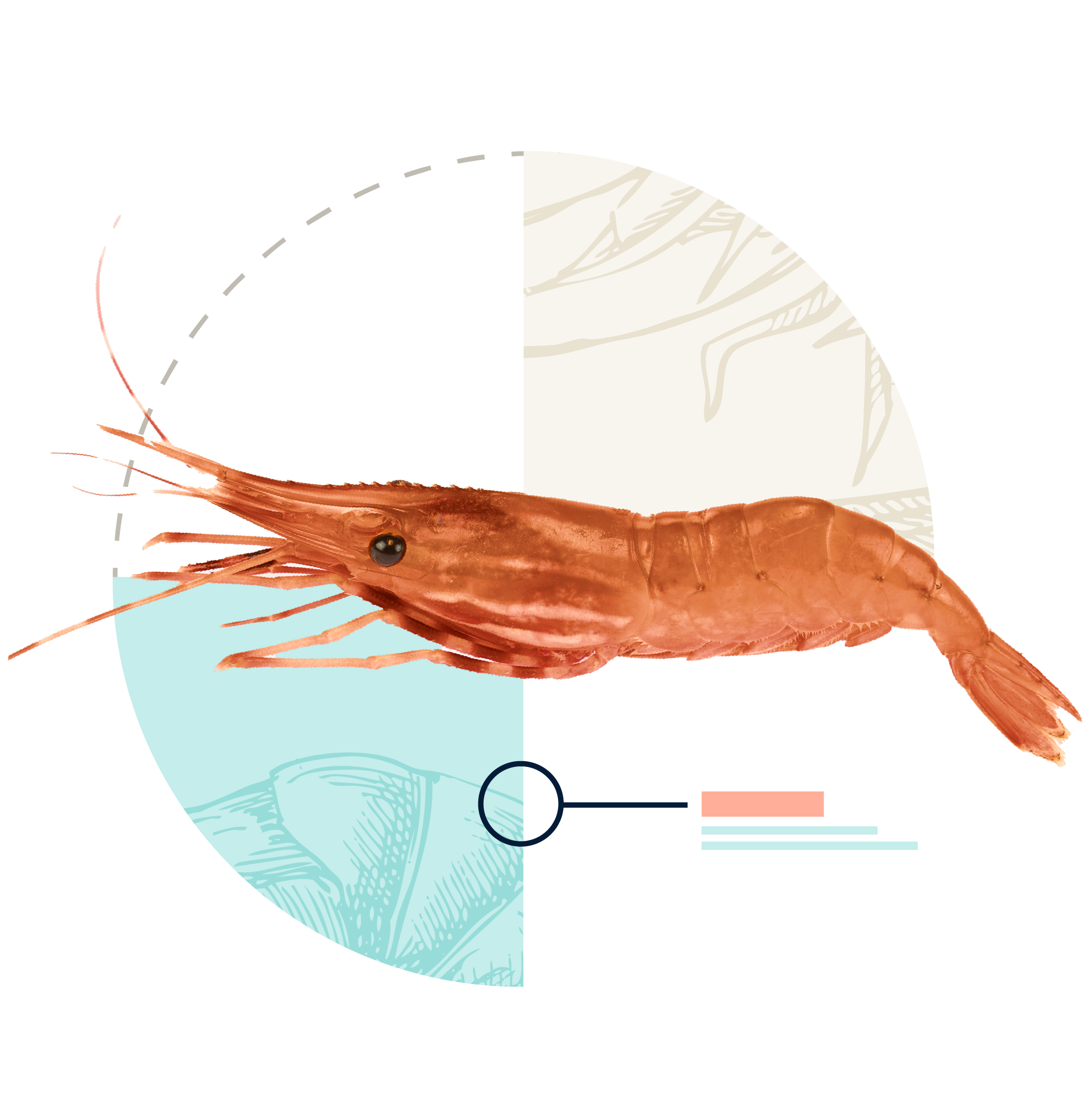
Aquaculture systems include farm operators employing a diverse range of methods for farming marine organisms, varying greatly in scale and technological sophistication. Investor attention is focused primarily on tech-reliant systems like marine pens and cages or closed-loop farms. Within the aquaculture systems segment, sub-categories include:
🦐 Aquatic plants and algae
🦐 Closed-loop systems
🦐 Offshore aquaculture
🦐 Pond systems
Animal care
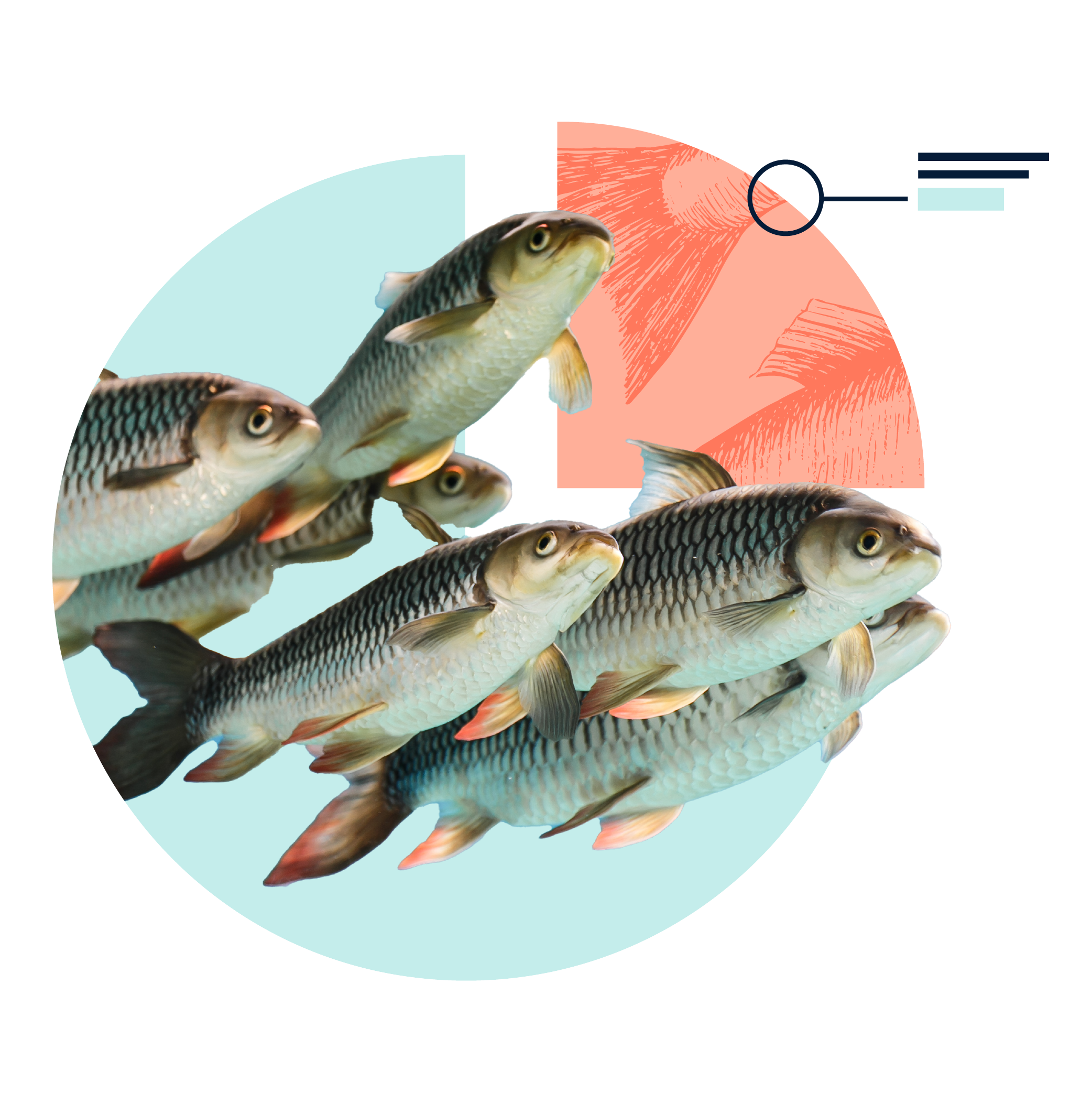
Startups within this segment are creating sustainable, cost-effective solutions to feed sourcing, implementing advanced disease prevention strategies and utilizing selective breeding or genetic technologies to create more resilient and productive farmed species. Overall, they’re aiming to revolutionize fish care, reduce operational costs, and minimize environmental impact of aquaculture operations. Within the animal care segment, sub-categories include:
🐟 Disease control solutions
🐟 Breeding and genetic solutions
4 aquaculture startups to know
According to Senior Research Analyst Alex Frederick, who covers foodtech and agtech at PitchBook, some of the most interesting, innovative global aquaculture startups of today include:
Aquanzo
Companies like Aquanzo, based in the United Kingdom, are leading the charge in sustainable aquafeed production. They farm marine zooplankton using agricultural byproducts, producing highly nutritious feed while significantly lowering the environmental impact. “Their approach not only repurposes agricultural waste but also reduces CO₂ emissions by 90% compared to conventional methods,” Fredrick says.
Proteon Pharmaceuticals
Based in Poland, Proteon Pharmaceuticals is pioneering RNA-based vaccines and probiotics to combat aquaculture diseases, an urgent issue in regions like the US where antibiotic resistance is escalating.
Regional Fish
Japan’s Regional Fish is revolutionizing breeding cycles through non-GMO genome editing, slashing the process from 30 years to just 2-3 years. This advancement, Frederick says, enhances growth rates and disease resistance, optimizing aquaculture efficiency.
Vertical Oceans
“Singapore’s Vertical Oceans is redefining urban aquaculture with cutting-edge aqua towers for shrimp and fish farming,” Frederick says. By utilizing AI-driven optimization without antibiotics, their system enhances sustainability by minimizing food miles, reducing water consumption, and addressing urban food security challenges.
Aquaculture risks and considerations in the US
Despite being the sixth-largest producer of wild-caught seafood in 2022, the US faces a seafood trade deficit—reaching $20.3 billion in 2023. This deficit reflects the demand for nonnative species and the reliance on low-cost Asian products and highlights a growing gap between supply and demand. In the last decade, aquaculture in the US has remained stagnant—failing to address the widening gap due to factors like geographical constraints and stringent regulations.

Emerging opportunities in aquaculture
PitchBook analysts say that the cultivation of aquatic plants and algae is experiencing major growth and innovation at present. Startups are leveraging these organisms for a range of diverse applications—from alternative proteins for animal feed and plant-based meat to biofuels and bioplastics. The growing potential of this field is reflected in rising VC interest, to the tune of $114.4 million in 2023.
Emerging opportunities also exist in the feed and feed supplements sub-segment, where startups are developing alternatives to wild-caught fish feed—which contributes to ocean depletion. New insect- and plant-based feeds are more sustainable, and the space has attracted significant VC investment, $1.1 billion, since 2020.
In the years to come, PitchBook analysts will continue to track aquaculture activity and the school of startups—thousands of companies—working to address the rising demand for seafood globally. Importantly, they’ll also reel in new data to illuminate investors’ appetite for investments in the space.
Get your fill with more PitchBook foodtech content
Exploring a new crop of startups: A closer look at indoor farming
Agtech and the future of sustainable food production
Precision agriculture and the transformation of sustainable farming
Who is founding and funding fungi startups?
Browse all of PitchBook's foodtech reports