

Venture investors are feeling relief mixed with buyer’s remorse after a pair of well-received tech IPOs brought clarity to the startup market.
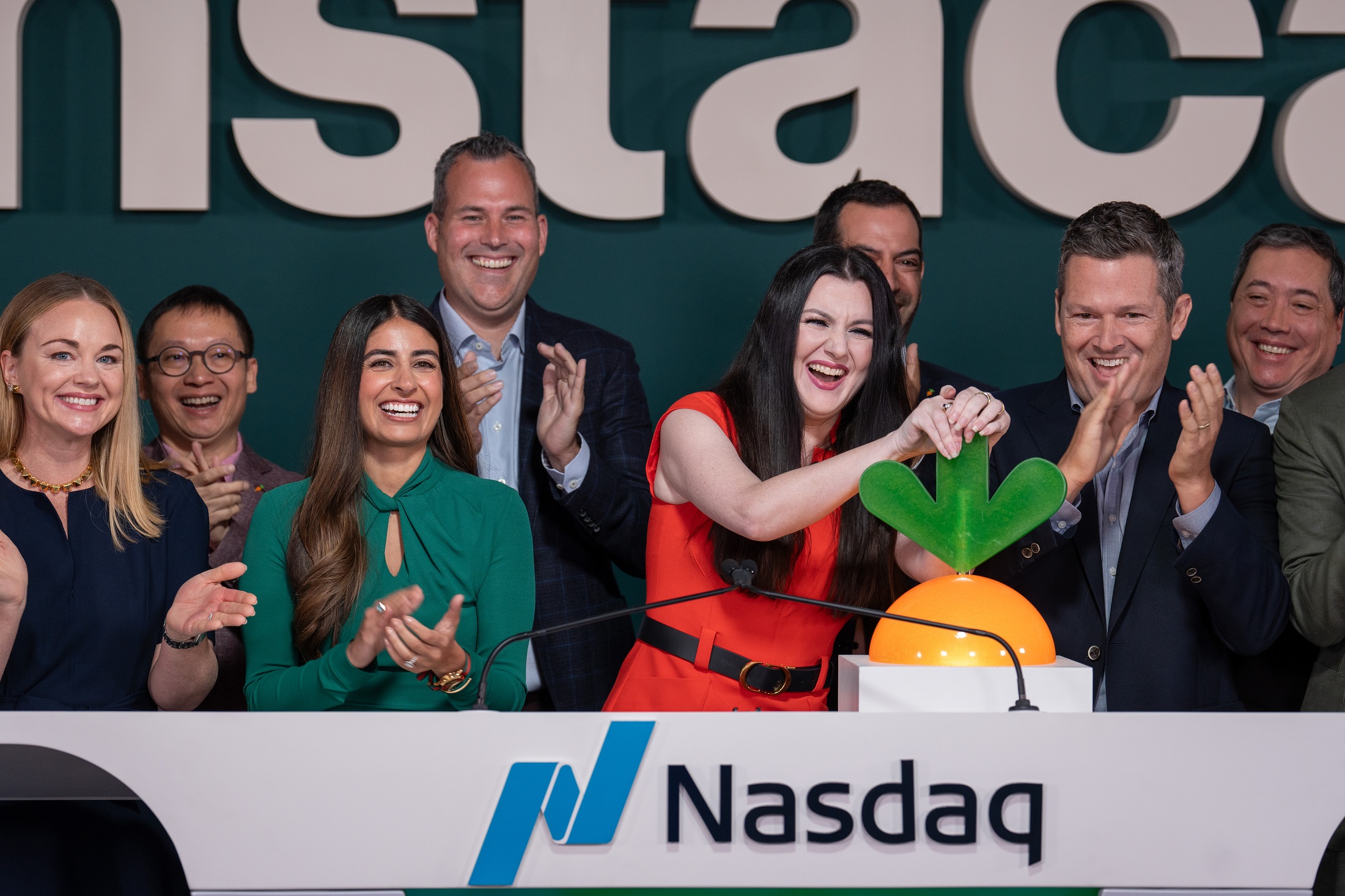
Instacart‘s shares rose 12% Tuesday in its first day of trading on the Nasdaq after giving up early gains, lending the grocery delivery giant an $11.3 billion valuation on a fully diluted basis, a 71% drop from its peak private valuation in 2021. Additionally, marketing tech company Klaviyo priced its shares at $30, near the top of its expected range for a $9.2 billion fully diluted valuation, a modest decline from its last private round.
"[Instacart’s IPO has] shown that it’s important to not just chase the hot deals,” said Ihar Mahaniok, an angel investor in Instacart and managing partner at Geek Ventures.
Despite the positive Wall Street reception, investors that jumped into Instacart after its Series F in 2018, which priced shares just under the $30 mark, hold shares worth less than what they paid. In 2021, a group of investors led by Andreessen Horowitz, Sequoia, D1 Capital, Fidelity and T. Rowe Price invested in Instacart at $125 per share, according to PitchBook data.
Sequoia is sitting on the largest potential payout from Instacart: The firm first backed the company in a 2013 Series A led by now-departed partner Michael Moritz. It held a stake worth $1.72 billion at Tuesday’s closing price.
Klaviyo’s IPO valuation ahead of its NYSE debut is just shy of its last known private post-money valuation of nearly $9.5 billion in 2021, a Series D led by Sands Capital. That indicates that even its late-stage investors could sell their shares for close to what they paid for them, but the company’s share price history is not known. Firms including Morgan Stanley‘s Counterpoint Global, Whale Rock and Lone Pine Capital also bought into Klaviyo at a price above its IPO valuation.
Seller’s dilemma
Existing investors that bought in during the boom times now face a tough decision: Hold onto the stock in anticipation that they will continue to run up or take the long-awaited opportunity to return cash to already venture-skeptical LPs.
“It’s a down round in the IPO. Those late stage investors all got washed out—but maybe not,” said Glen Kernick, a managing director at Kroll in charge of the advisory firm’s 409A valuation practice.
He explained that if an investor has a long-term outlook and time left in their fund’s lifecycle, they may hold the stock until their investment in the company is no longer underwater.
For Instacart, those late joiners include General Catalyst, which joined and co-led its 2020 Series G at a $13.8 billion valuation, and Fidelity, which first invested at its Series H at a $17.7 billion valuation later that same year, according to PitchBook data.
“A lot of these firms are very, very sophisticated, and they’ll be fine, but it’s a matter of when they’re able to recover from these sorts of things,” said Eric Reiner, partner at early-stage investor Vine Ventures.
As the IPO window reopens, this will be a repeat lesson for investors that consistently bought into overvalued private companies during the height of the COVID-19 pandemic. But for investors waiting on payouts from before the boom times, the enthusiastic Wall Street reception to Instacart and Klaviyo is a welcome sign.
“We’ve all been praying for rain for a long time,” said Dan Conner, a partner at Ascend Venture Capital. “Even if you’re not in the direct path of it, you still get the liquid that trickles down.”
Related read: Analyzing the IPO Market Outlook
Jacob Robbins and Marina Temkin contributed to this report.
Learn about our editorial standards.
