

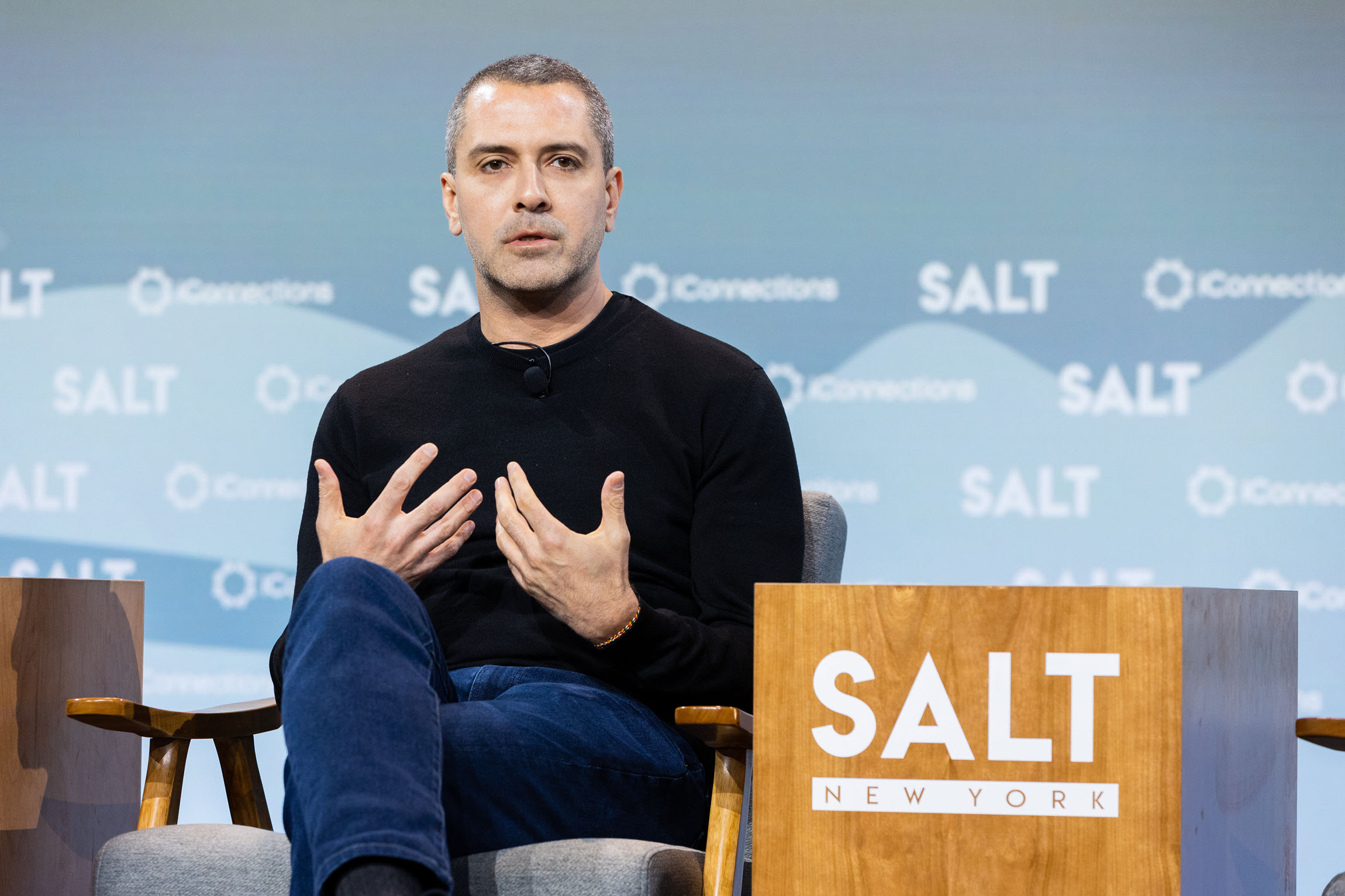
Abu Dhabi’s sovereign wealth fund is “on offense” deploying capital, and founders that previously refused the fund’s dollars are now actively courting it, according to Ibrahim Ajami, Mubadala‘s head of ventures.
“A lot of companies that wouldn’t speak to us before are knocking on our doors,” Ajami said at the 2023 SALT Conference in New York. Silicon Valley is much more welcoming to sovereign wealth funds now than it was in 2016, when Mubadala set up its US ventures arm, Ajami said.
Sovereign funds still have capital to deploy at a time when other limited partners are retreating. These funds tend to be concentrated in countries that, like the United Arab Emirates, export large quantities of oil and gas and have seen their coffers swell following a period of bumper energy prices.
As their profiles have risen, some wealth funds have become more public about their activities. In April, Sanabil Investments, the venture arm of Saudi Arabia’s Public Investment Fund, disclosed for the first time that it was an LP in high-profile VC firms including Andreesen Horowitz, Insight Partners and Craft Ventures.
Growth-stage companies are increasingly desperate for cash as nontraditional VC investors like hedge funds and private equity firms have pulled back from the segment. The average growth-stage valuation fell to $90 million in Q1, down from $355 million in 2021, according to PitchBook’s latest US VC Valuations Report.
“The reality is, the entire growth stage is frozen,” Ajami said.
Mubadala acts as an LP and invests directly in VC-backed portfolio companies. This direct investing strategy—which heavily features buyouts in addition to venture deals—has swelled in recent years as it seeks larger stakes and lower management fees.
The fund has taken direct stakes in drug discovery startup Xilis—Mubadala led its $89 million Series A last year and added its head of US ventures Alaa Halawa to the startup’s board—and late-stage financial platform SpotOn.
Ajami made veiled references to the Tigers and SoftBanks of venture, which set the tone for dealmaking in 2020 and 2021. “There were investors who moved very quickly on term sheets” at the peak of the market, he said. “All of a sudden, all of these investors are no longer showing up to board meetings.”
Sovereign wealth funds are operating in a market with abundant white space as valuations reset and other VCs put off investments in growth-stage companies, Ajami said.
“In 2021, we got ahead of ourselves,” he added. “The wakeup call came in March 2022. The hangover is still in play, and it will take a while to clean up.”
Related read: Q1 2023 US VC Valuations Report
Learn about our editorial standards.
