

“Working from home is a different ball game,” one of our clients said shortly after the pandemic began.
They’re right.
In June, nearly 42% of the United States workforce was working from home full-time. The almost-overnight shift scattered employees across the country, leaving offices empty—including PitchBook’s very own.
Remote work has presented a multitude of different challenges that businesses and firms are scrambling to solve. Ditching face-to-face conversations for screen-to-screen interactions doesn’t come easily for an industry like the private sector, which prides itself on in-person connections. Not meeting the founder of a company before investing would be unheard of for some firms, although sentiment around that may be changing due to the pandemic.
Teamwork is considered the cornerstone of a good work culture, often rendering images of groups working together in person. Has the shift to remote work redefined collaboration or did it catalyze a change in culture that was already set in motion?
We talked to our clients about how they’re overcoming the challenges of working from home during the pandemic as well as the surprise advantages of an online workplace.

Battling disconnection with communication
Obviously, the ripple effects of the pandemic are widespread and remote work is just one outcome. Economic uncertainty is the haunting backdrop to every conversation—and it plays a huge role in how people are talking about business challenges. If ambiguity is unavoidable, how do you find a path forward through the haze? One answer: frequent and deliberate communication.
“The first thing we did upon notice of lockdown was touch base with all the companies that we have raised for to see how they were doing and how we could help,” said Jaime McNally, Director of Ventures at FrontFundr, Canada’s leading equity crowdfunding platform.
Although the change to remote work might seem small on the grand scale, it changed the game for a lot of firms; it has the potential to upend workflows entirely. Instead of a quick tap on someone’s shoulder, it’s a short message sent through the cybersphere.
McNally’s instinct to check in more frequently—both internally and externally—illustrates one way leaders are fostering better teamwork at a time when isolation is necessary. It’s also a response that works especially well when so many people around the globe are focusing their attention on communication. One of the unique byproducts of the COVID-19 pandemic is the scale at which individuals share similar experiences across borders. The impulse to over-communicate in the face of adversity has even helped forge better work cultures in some cases.
For one of our customers, a large French banking group, the pandemic has created tighter alignment between them and their clients because everyone is worried about the next move. Clients need to know if the bank is going to be there for them and banks want to know that their clients won’t disappear or, more specifically, fall into bankruptcy because of a domino effect with LPs not fulfilling their capital commitment.
Reassurance is comforting, but it also provides clarity for both parties as they navigate the unknown. Widespread work-from-home policies may also lead to greater accessibility in some client relationships. No matter the size or location of a team, effective collaboration is essential to staying informed. It gives way to better problem solving and helps drive the way forward.
Leveraging technology and partnerships to make lemonade
The lockdown fundamentally altered consumer behavior and, as a result, businesses had to adapt—quickly. Companies that rely on retail or in-person events to sell their products or services are automatically at a disadvantage in the current environment. To meet the shifting needs, founders and fund managers have had to get creative during the COVID-19 pandemic and perform enhanced due diligence.
According to McNally, many of the companies that FrontFundr has raised for in the past pivoted themselves to meet consumer needs.
“For instance, Bucha Brew, a kombucha company operating in the consumer-packaged goods industry, put greater reliance on its direct-to-consumer channels to meet consumer demand while many people did not want to frequent grocery stores during lockdown,” she said.
Re-positioning these challenges into opportunities started with candid conversations. Some entrepreneurs needed capital in order to meet the short-term demand, including Bucha Brew.
“We ended up raising approximately $200K for Bucha Brew,” McNally said. “Bucha Brew used this capital for inventory in order to meet demand, export efforts, marketing and other growth initiatives.”
Young companies are more flexible than bigger corporations, allowing them to make changes on the fly. Bucha Brew’s story is indicative of the importance of relationships in the industry. Partnerships are collaborative by nature and by leaning on the expertise of each party, they were able to determine a course of action and make a move.
“We weren’t seeing new patients [in person] and moved those consultations online. For people who were in treatment, we continued those cases as it is medically necessary.”
– Debbie Markowitz, Chief Financial Officer of Kindbody
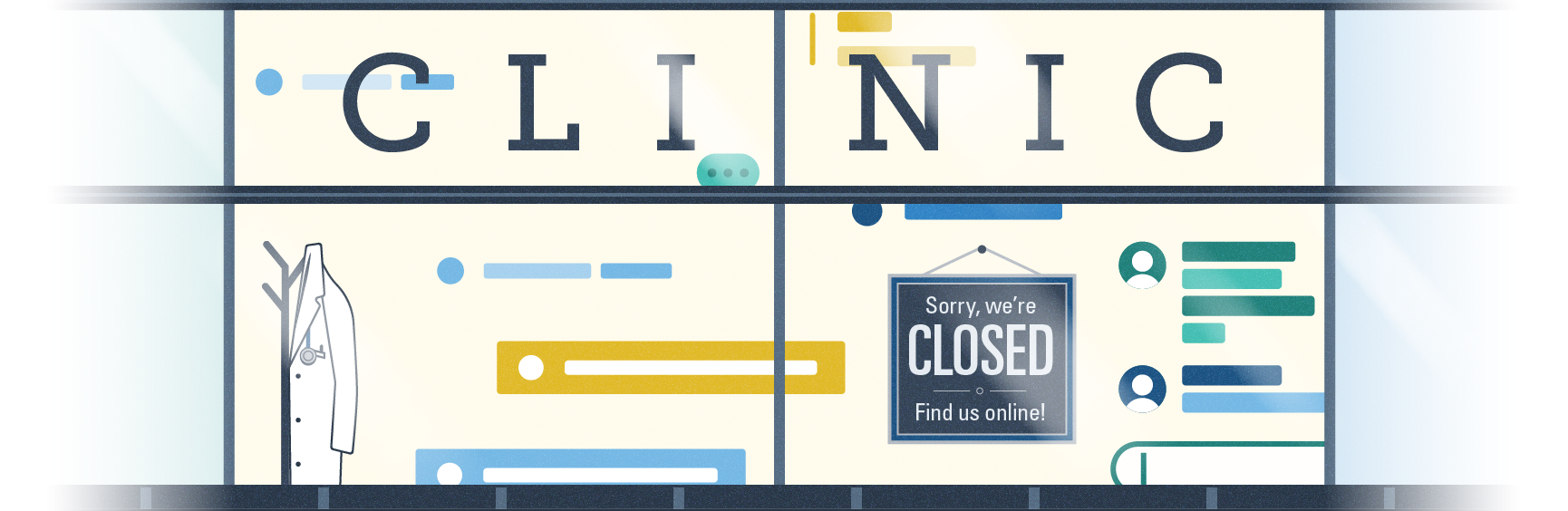
Every industry is facing different sets of challenges, though; the healthcare sector specifically has had to deal with shifting regulatory changes. Kindbody, a full-service fertility clinic, had to rethink how it could interact with patients.
“Around March 15 we had to close our clinics,” said Debbie Markowitz, Chief Financial Officer of Kindbody. “Our three clinics, which were on this massive growth trajectory, closed—and we were preparing for scale.”
On top of shutting down its clinics across the US, Kindbody was in the middle of its Series B round and hiring people at every level of the company. The expected growth was immediately put into limbo as the pandemic began.
“We weren’t allowed to practice things that were deemed elective,” she said. “The fertility industry for a few weeks was called elective.”
So they turned to the internet, like a lot of others did.
“We weren’t seeing new patients [in person] and moved those consultations online,” Markowitz said. “For people who were in treatment, we continued those cases as it is medically necessary to continue treatment if you’ve already stimulated their ovaries.”
Despite still operating in some capacity and treating patients where possible, the sense of community they’d cultivated around women’s health and fertility still felt like it was missing.
“Prior to COVID, a big piece of our success was hosting fertility 101s. We would have educational events where our doctors would host 75 people in our clinics,” she said. “They are able to form a community with no judgment. With fertility, there’s unfortunately some stigma around it and we really try to remove that.”
Now, Kindbody hosts its 101 events online and is still finding new ways to connect with potential patients. Adapting through adversity creates stronger companies, but it takes creativity, collaboration and a hard look at surrounding resources.
Putting the tech stack to the test
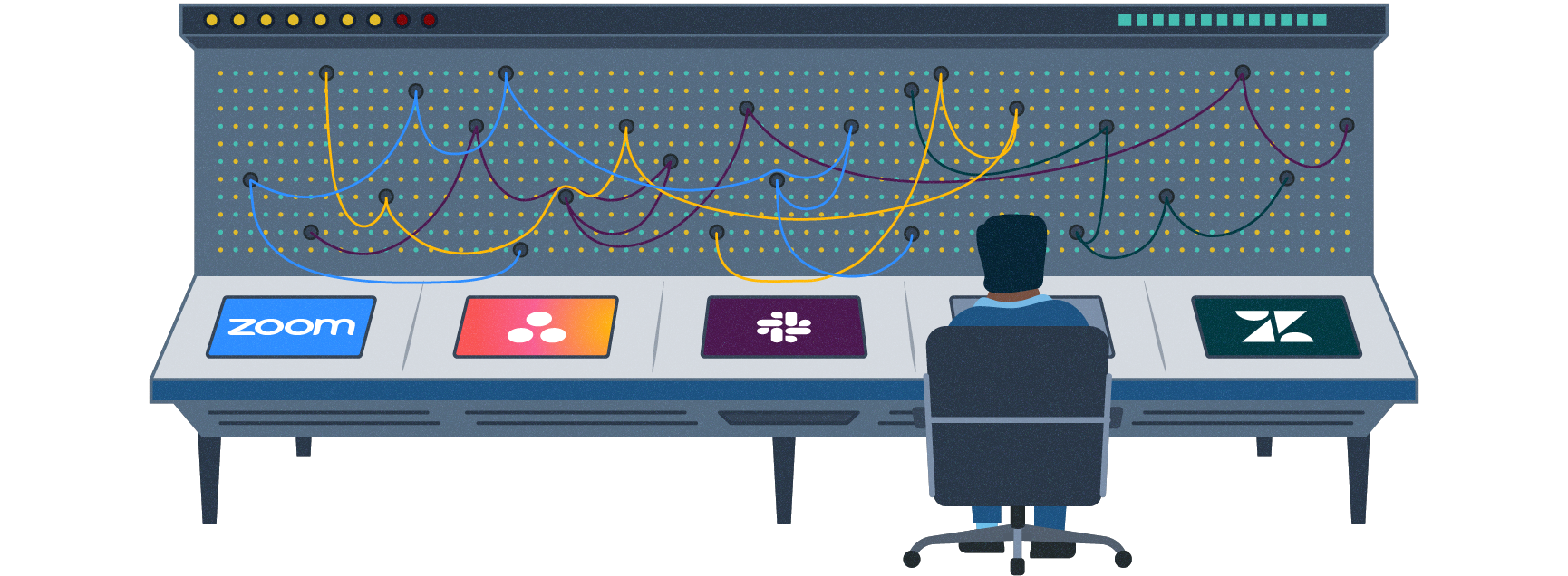
Although technology is often thought of as a disruptor, it’s acted more as a bridge this year. Telecommunication and online collaboration tools have helped teams maintain workflow despite the physical distance between them during the lockdown.
For FrontFundr, the increased reliance on technology has been a welcome change. According to McNally, they’ve been able to flex various tech mediums to meet their needs throughout the pandemic.
Online collaboration tools and software are designed to make working together easier and there’s no shortage of options available on the market. In fact, the pandemic may have accelerated growth in the remote work industry. Asana, a workplace collaboration and project management software, went public via a direct listing recently and when asked why now, Company Chief Executive Dustin Moskovitz called 2020 a “catalyst year” for performance products. Investment firms are also making bets on the industry’s future growth. London-based VC Dawn Capital hopes to tap into the growth of remote working during the pandemic with a new fund—its largest yet—targeting European B2B software startups.
Remote collaboration tool examples:
- Zoom
Zoom Video Communications provides a platform that connects people through video, conference calls and content sharing. The unicorn went public in 2019, a record-breaking year for VC-backed exit activity. - Asana
Asana is a project management and collaboration tool that helps teams streamline workflows, delegate tasks and plan cross-functional strategic initiatives. The company recently went public in a direct listing, renewing buzz once again around the IPO alternative. - Slack
Slack is a SaaS communication platform designed to bring people, applications and data together. It also went public in 2019 by doing a direct listing, one of the most high-profile exits of the year. - Smartsheet
Smartsheet enables teams to plan, manage, automate and report on work at scale. In August, the public company reportedly agreed to purchase Brandfolder, a digital content and brand management platform. - Zendesk
Zendesk provides a portfolio of customer engagement software solutions, centralizing communication and data across various channels. The public company regularly invests in companies within the business and productivity software industry.
Collaboration isn’t just about a single tool anymore though. Software companies are creating features and capabilities that make teamwork easier, even if it’s not the primary use case for their product. PitchBook is no exception.
“Without the option to meet with investors or participate in industry events to acquire market intelligence in real-time, PitchBook enables us to monitor the landscape and stay in-the-know.”
– Hyung-Tae Kim, Vice President of Finance at Stradvision
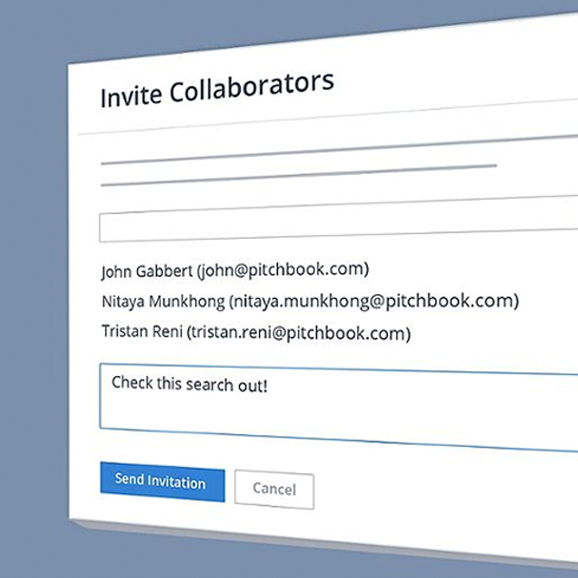
Although our platform is designed to be accessed anywhere (whether that’s at home, in the office or in line to get coffee), sharing information in the product hasn’t always been easy to do. Just like our data, we never want to silo teams. Over the last few years we’ve launched new features that enable better collaboration while evaluating investment opportunities and market trends.
With even more capabilities in the product road map, working from home during the pandemic should feel just as—or more—productive as before.
“Without the option to meet with investors or participate in industry events to acquire market intelligence in real-time, PitchBook enables us to monitor the landscape and stay in-the-know,” said Hyung-Tae Kim, Vice President of Finance at Stradvision, a South Korea-based software company in the autonomous vehicle industry.
Modern investment professionals have no shortage of inputs and insights to draw from in creating their unique perspectives. The ability to share individual expertise throughout the due diligence and investment process is vital to solving problems early, preventing duplicate work and freeing up time for other tasks.
A lot of things seem uncertain right now and remote work may or may not be here to stay—that is to be determined. But the collaboration tools that make independent and group work more efficient and effective are sure to stick around.
Learn more about remote work trends and collaboration solutions

How WFH policies could shape VC
Listen to this 20-minute podcast episode: Ep. 4: The Great Unlocationing
Investment opportunities and areas of growth
Download this in-depth report: Accelerating History: Pandemic-Driven Tech Opportunities
How to use PitchBook to improve collaboration on your team
See our product capabilities designed for teamwork: Explore collaborative features